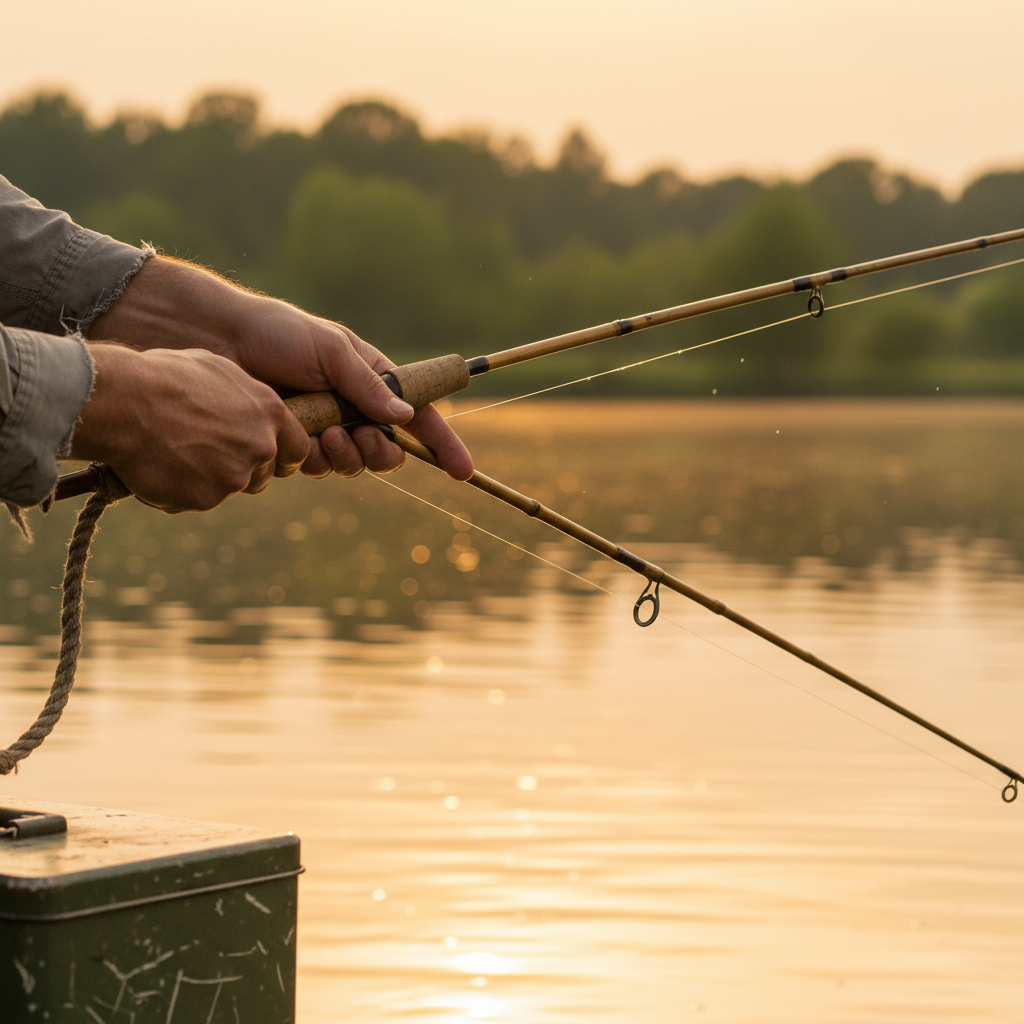
Haida Gwaii salmon halibut fishing offers the ultimate adventure by combining the pursuit of massive Chinook salmon, acrobatic Coho, and heavy-weight Pacific halibut. Chinook are the largest and most powerful of the species, whereas Coho provide exciting surface action and halibut offer a rewarding challenge for those fishing the ocean floor. This remote destination is world-renowned for its high success rates and the ability to catch all three species on a single excursion.
Planning an elite fishing expedition often leads to a common frustration; many anglers arrive in remote waters only to realize they are ill prepared for the distinct technical demands of targeting both powerful salmon and massive bottom fish. Missing a seasonal peak or using the wrong gear means missing the chance of a lifetime. In the rugged waters of Haida Gwaii, the opportunity to land the triple threat of Chinook, Coho, and Pacific Halibut is unparalleled, but success requires a strategic approach to these diverse species. This guide provides the expert insight needed to master the North Pacific. You will discover the specific seasonal windows for each species, the tactical differences between battling a King and hauling a barn door Halibut, and how Queen Charlotte Safaris transforms a day on the water into a world class culinary and sporting experience.
The Ultimate Triple Threat: Why Choose a Combo Trip in Haida Gwaii
The remote archipelago of Haida Gwaii sits directly in the path of the great Pacific salmon migration, making it one of the most productive world-class fishing experiences on the planet. Choosing a combination trip here is a tactical decision that maximizes your time on the water. Because Queen Charlotte Safaris is based in Sandspit, guests enjoy a distinct geographical advantage. Our location provides immediate access to the shelf drop-offs where deep-water halibut congregate, while simultaneously sitting adjacent to the primary migratory routes for Chinook and Coho salmon.
Unlike generic charters that might focus on a single species, a Haida Gwaii salmon halibut fishing expedition allows you to pursue the Grand Slam of the North Pacific in a single outing. The ecosystem surrounding Shingle Bay is a complex network of kelp forests and underwater pinnacles that support a high density of baitfish, drawing in the heavy-hitting Chinook and the energetic Coho. Transitioning from the surface action of a salmon strike to the heavy-tackle endurance of a halibut hookup provides a comprehensive look at the region’s biodiversity. After a full day on the water, returning to our intimate lodge accommodations allows you to reflect on a triple-threat success before the next morning's tide. You can book your combo trip to experience this unique intersection of species firsthand.
Chinook Salmon: Battles with the King of the North Pacific
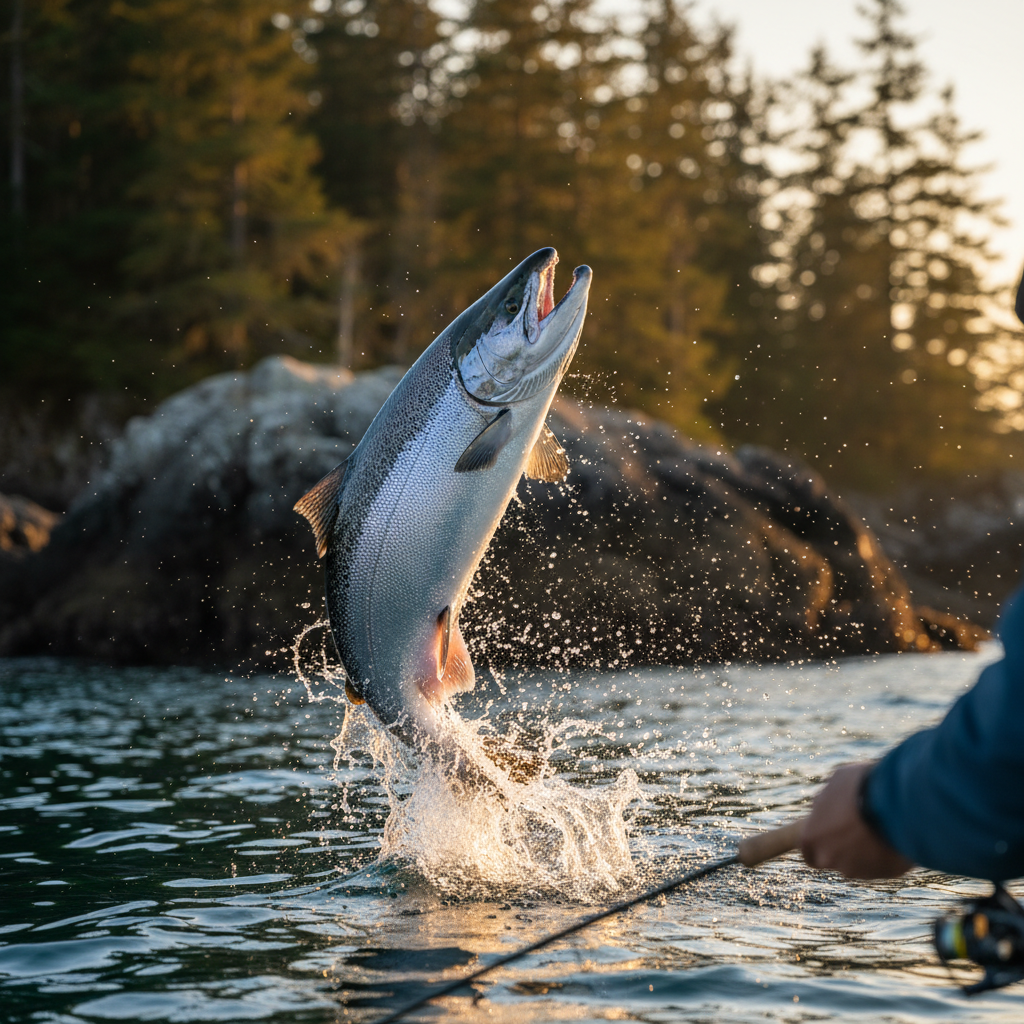
The Chinook salmon, or King, earns its title through sheer physical presence and a fighting style that tests both tackle and temperament. Identifying a Chinook is straightforward once you know the specific biological markers; they possess a distinct dark, graphite-colored gum line and spotting that covers the entire tail. While the average fish we see in Sandspit weighs between 25 and 30 pounds, the possibility of hooking a trophy exceeding 50 pounds is a constant reality in these nutrient-rich waters.
When a King strikes, the initial sensation is one of immense weight rather than frantic speed. They are deep-water specialists that use the current and their massive bodies to pin themselves against the bottom. The fight is characterized by long, punishing runs that result in screaming reels, demanding high-quality gear with smooth drag systems to prevent the line from snapping under the pressure. In the Haida Gwaii archipelago, our guides often locate these predators patrolling the edges of rocky kelp lines where they ambush baitfish.
Navigating these kelp beds requires precision and disciplined patience. You cannot rush a mature Chinook; you must allow the fish to exhaust itself through its own power while maintaining steady rod tension. This deep, heavy struggle is what differentiates the Chinook from the Coho. While the Coho offers a surface-level skirmish, the King forces a vertical battle of endurance. This relentless power is why the King remains a primary target for anyone booking a world-class fishing experience, providing the raw muscle that defines a successful Haida Gwaii salmon halibut fishing expedition.
Coho Salmon: The Silver Acrobat of Shingle Bay
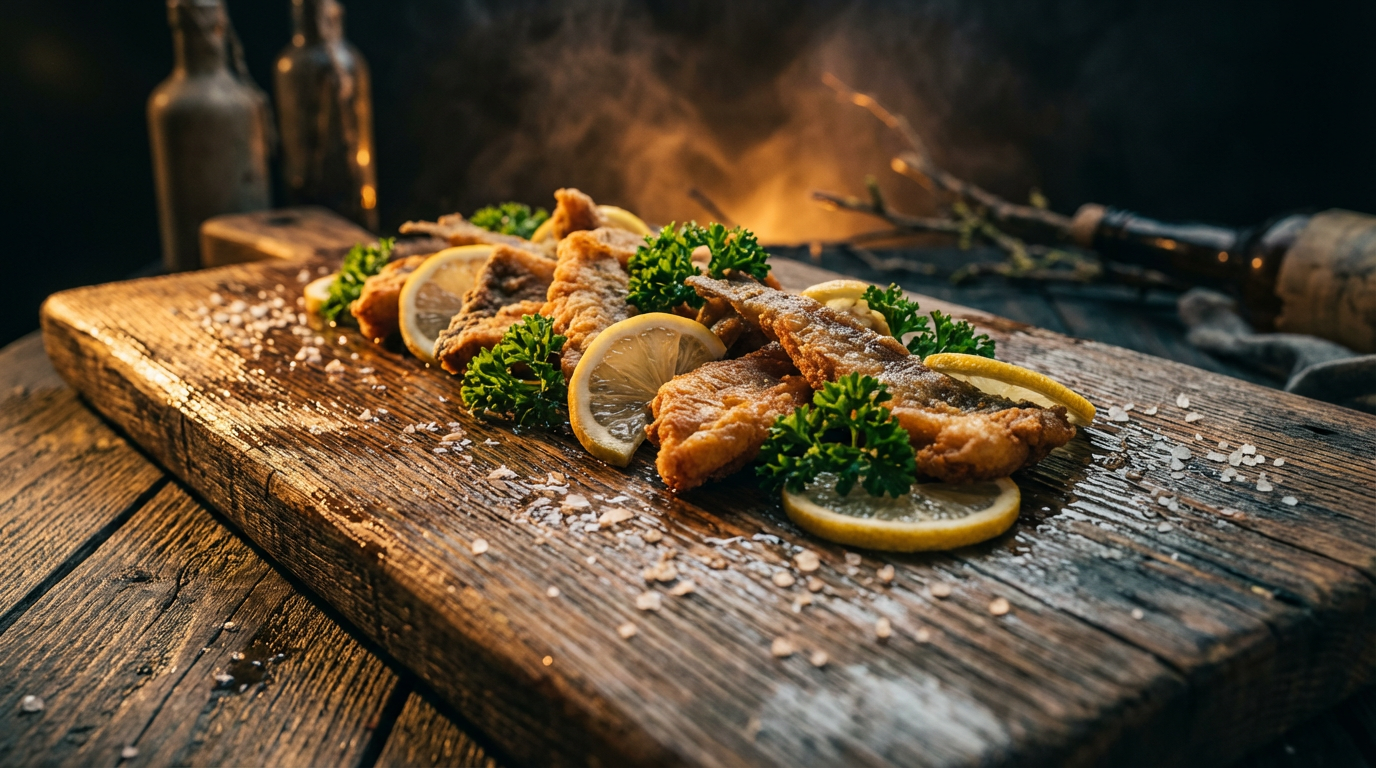
While the Chinook represents raw power, the Coho salmon, or Silver, introduces a high-speed, chaotic energy to your Haida Gwaii salmon halibut fishing excursion. Typically averaging 12 to 15 pounds, these fish may lack the massive bulk of a King, but they compensate with a relentless, acrobatic fighting style. You can identify a Coho by its light gray or white gum line and the presence of spots specifically on the upper lobe of its tail, a sharp contrast to the fully spotted tail and dark gums of the Chinook.
The Coho experience is defined by surface-level action. Unlike the deep-water grind of a Chinook, a hooked Silver often heads straight for the air. They are famous for spectacular jumps, erratic changes in direction, and blistering runs just beneath the surface. Because we often target them in shallower water or higher in the water column near Shingle Bay, the visual component is much more intense. You can often see the silver flash of the fish as it breaks the water, providing a sensory thrill that a deep-water battle cannot replicate.
Many guests ask which is better, Coho or Chinook? The answer depends entirely on what kind of thrill you seek. A Chinook is a test of strength and gear, a heavy-weight wrestling match in the depths. A Coho is a tactical, fast-paced skirmish that requires quick reflexes to manage the slack as the fish doubles back toward the boat. Both are essential components of our world-class fishing experiences, providing a balanced day on the water. This variety is what makes the Sandspit region so unique; you can transition from a heavy king battle to a frenetic silver chase in the span of a single tide.
Pacific Halibut: Reeling in the Barn Doors of the Deep
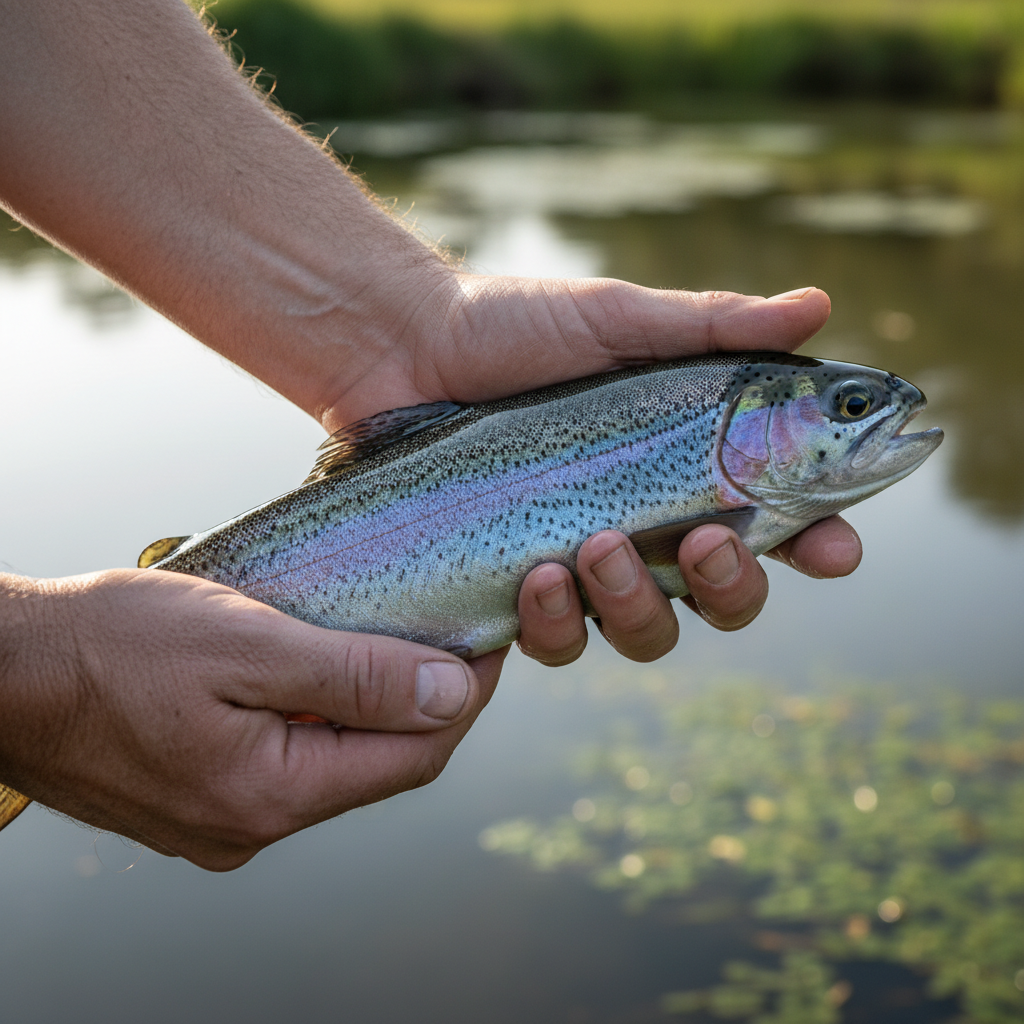
Transitioning from the surface sprints of the Coho to the seafloor requires a complete change in gear and strategy. Pacific halibut are the true heavyweights of the region, dwelling in the cold, nutrient-rich bottom waters typically found between 100 and 300 feet. These deep-water encounters are a cornerstone of our world-class fishing experiences. At Queen Charlotte Safaris, we utilize specific bottom-fishing techniques designed to hold bottom against the strong tidal currents of the Hecate Strait. This involves using heavy lead weights to keep your line vertical and large, scent-heavy baits, such as salmon bellies or whole herring, to signal these massive predators.
The physical sensation of hooking a halibut is unmistakable. It often begins as a heavy, immovable resistance, described by many as hauling up a piece of plywood or dead weight from the abyss. However, once the fish is turned, the fight evolves into violent, rhythmic head shakes and powerful downward thrusts that test your forearm strength. Reeling in a barn door requires genuine endurance; the pressure is constant and the fish uses its broad, flat body to plane against the water. While the possibility of a 200-plus pound giant is always present, those massive fish are almost exclusively females and are typically over 30 years old.
For the highest quality table fare, we generally target fish in the 20 to 60-pound range. These medium-sized halibut offer a delicate, flaky texture and mild flavor that is world-renowned. Incorporating this into your Haida Gwaii salmon halibut fishing itinerary provides a rewarding contrast to the high-energy salmon runs. After a day of testing your stamina against these bottom-dwellers, our intimate lodge accommodations offer the perfect place to recover. You can book your combo trip to experience this vertical battle for yourself.
The Best Months for a Haida Gwaii Salmon Halibut Fishing Adventure
Timing a trip to the archipelago requires an understanding of migratory patterns and local weather cycles. While Pacific halibut remain consistently available from April through September, the salmon runs follow a more specific calendar. Chinook are present throughout the spring and summer; however, the true sweet spot for a comprehensive Haida Gwaii salmon halibut fishing adventure emerges from mid-June through August. During this window, the mature Kings are still patrolling the kelp lines while the Coho begin arriving in significant numbers, filling the upper water columns with activity.
Sandspit offers a tactical advantage during these months. The waters of Shingle Bay and the surrounding passages are naturally sheltered from the heavy Pacific swells that can ground vessels on more exposed coastlines. This geography ensures more consistent fishing days and calmer transits from our intimate lodge accommodations.
Species | Peak Window | Primary Depth |
|---|---|---|
Chinook | May to August | 40 to 90 feet |
Coho | July to September | 10 to 40 feet |
Halibut | April to September | 100 to 300 feet |
Selecting this mid-summer window maximizes the overlap of all three species, providing the highest probability for a successful combo outing. Even during the peak of summer, the mist-shrouded mornings remain cool, making high-quality layers essential for these world-class fishing experiences. You can book your combo trip to secure a spot during this high-action period.
A Day on the Water: What to Expect During Your Combo Charter
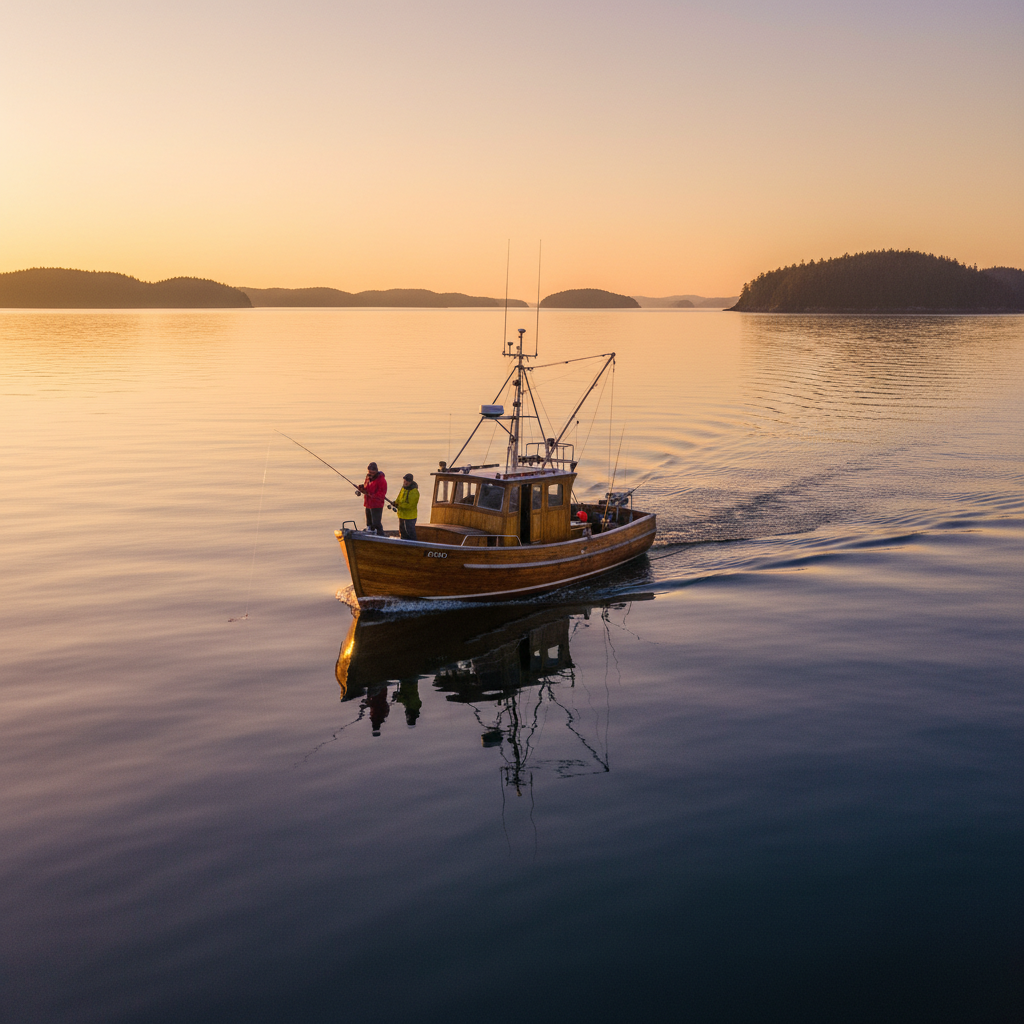
Your morning begins at first light at our intimate lodge accommodations, overlooking the calm waters of Shingle Bay. Because our Sandspit operations are positioned directly adjacent to the most productive migratory paths, the transit time to the fishing grounds is remarkably short. This geographical efficiency translates to less time commuting and more lines in the water during the critical early morning window when salmon are most aggressive.
The tactical strategy for a Haida Gwaii salmon halibut fishing charter typically involves targeting Chinook and Coho in the first few hours. Our guides utilize their expertise to read the complex tides and currents of the archipelago, positioning the boat along the kelp edges where predators ambush baitfish. As the morning salmon activity begins to stabilize, the captain will reposition the vessel offshore to the deeper shelves where halibut congregate. This transition requires a full shift in gear and technique, moving from the surface-level trolling of the morning to the heavy tackle needed for the seafloor.
Timeframe | Typical Activity | Targeted Area |
|---|---|---|
06:00 – 07:00 | Departure and Transit | Nearshore Points |
07:00 – 11:00 | Primary Salmon Window | Shingle Bay & Passages |
11:00 – 14:00 | Transition to Halibut | Deep Water Shelves |
14:00 – 16:00 | Final Hookups & Return | Sandspit Operations |
Throughout the 8 to 10 hour excursion, the guide’s ability to interpret underwater topography is what defines our world-class fishing experiences. By following the natural movement of the species rather than fighting it, we maximize the productivity of every hour on the water. After a full day of diverse action, the boat returns to Sandspit to begin the processing of your catch. You can book your combo trip to secure your place on the next tide.
From Water to Table: Processing and Dining at qcsafaris
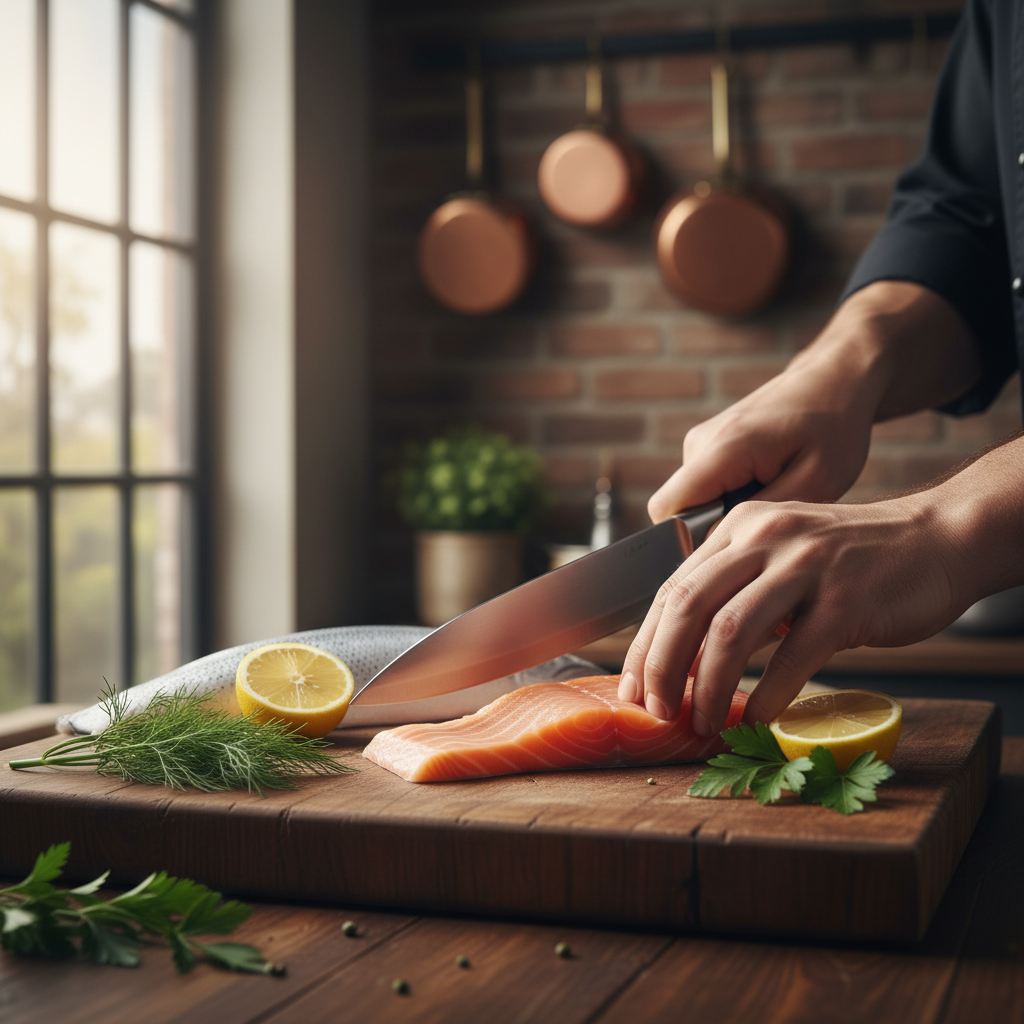
After the rods are stowed and the boat is moored in Sandspit, the final phase of your Haida Gwaii salmon halibut fishing adventure begins. We treat your catch with the same professional rigor as the pursuit itself. Our staff provides comprehensive dockside processing, which includes expert filleting and cleaning to maximize the yield of every fish. To ensure your bounty reaches home in peak condition, we utilize commercial grade vacuum sealing and flash freezing. This process arrests the natural degradation of delicate proteins and oils, a step that is particularly critical for the high fat content of a premium Chinook. Your fillets are then boxed in airline approved containers, making the transit from our remote operation to your kitchen seamless.
Within our intimate lodge accommodations, the transition from water to table is immediate. Our resident chef incorporates the day’s harvest into the evening menu, allowing you to taste the nuances of the species side by side. The Chinook is prized for its luxurious, oily texture and deep color, while the halibut offers a pristine, flaky white meat that remains firm yet tender. This focus on post-catch care and gourmet preparation is a defining element of our world-class fishing experiences.
Species | Texture | Flavor Profile | Culinary Best Use |
|---|---|---|---|
Chinook | Rich, buttery, oily | Bold and succulent | Grilling or pan-searing |
Coho | Firm and fine-grained | Subtle and clean | Poaching or light smoking |
Halibut | Lean and dense | Sweet and mild | Baking or tempura |
When you book your combo trip, you are securing a complete culinary cycle that honors the resource from the moment of the strike to the final bite at the dinner table.
Understanding the unique traits of Chinook, Coho, and Halibut is the first step toward a successful trip to Haida Gwaii. Whether you prefer the fight of a king or the deep-sea challenge of a flatfish, these waters offer something truly special for every angler. If you want expert help planning your next adventure, our team is ready to guide you. Exploring our options for Fishing will help you focus on the water while we handle the details, ensuring your time on the coast is both productive and memorable.